
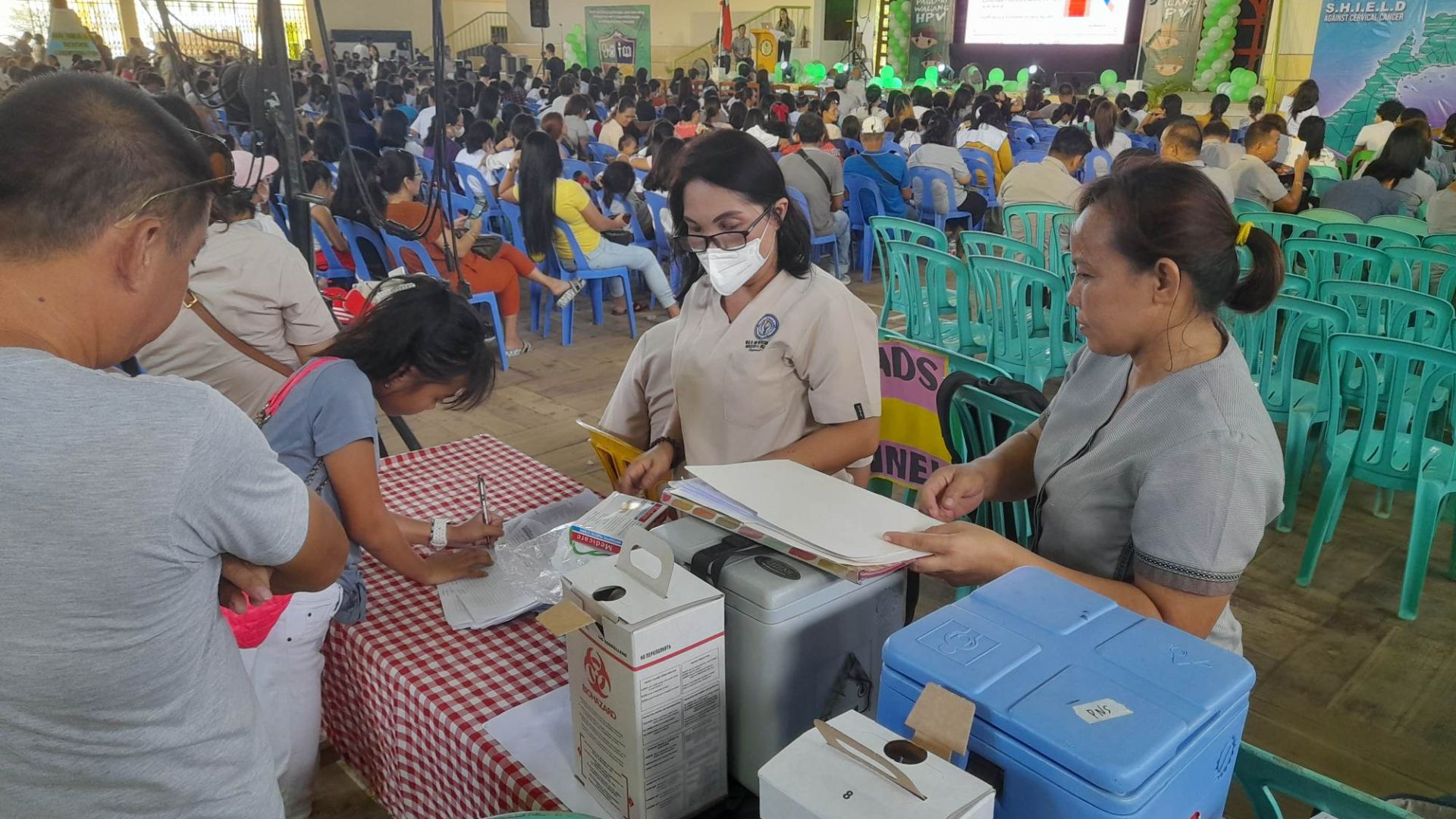






Various stakeholders from the government and private sector collectively advocate for the protection of young female learners against HPV infections and cervical cancer through vaccination
 A unified effort by various stakeholders from the government and private sectors is underway in Puerto Princesa to combat human papillomavirus (HPV) infections and cervical cancer among young female learners through vaccination. In fact, a substantial majority of cervical cancer cases, accounting for over 95%, can be attributed to HPV infection. This underscores the urgency and significance of HPV vaccination and prevention programs to combat this life-threatening disease.
 Cervical cancer, a largely preventable disease, can be averted through vaccination and screening for precursor lesions, along with timely follow-up and treatment. This slow-developing cancer provides ample time for early detection and intervention. Equipped with information, preventive services, and regular gynecological care, the majority of cases can be prevented and effectively treated at an early stage.
 Despite this knowledge, cervical cancer ranks as the second most common cancer among women in the Philippines and the second most prevalent cancer among women aged 15 to 44. Statistics show that 7,897 women are diagnosed with cervical cancer annually, resulting in over 4 thousand deaths, or 11 Filipinas dying every day.
Detecting cervical cancer at its early stages is highly treatable, often taking up to 30 years before becoming malignant. Nonetheless, it remains one of the leading causes of cancer-related deaths globally, disproportionately affecting young, underserved women in low-income countries.
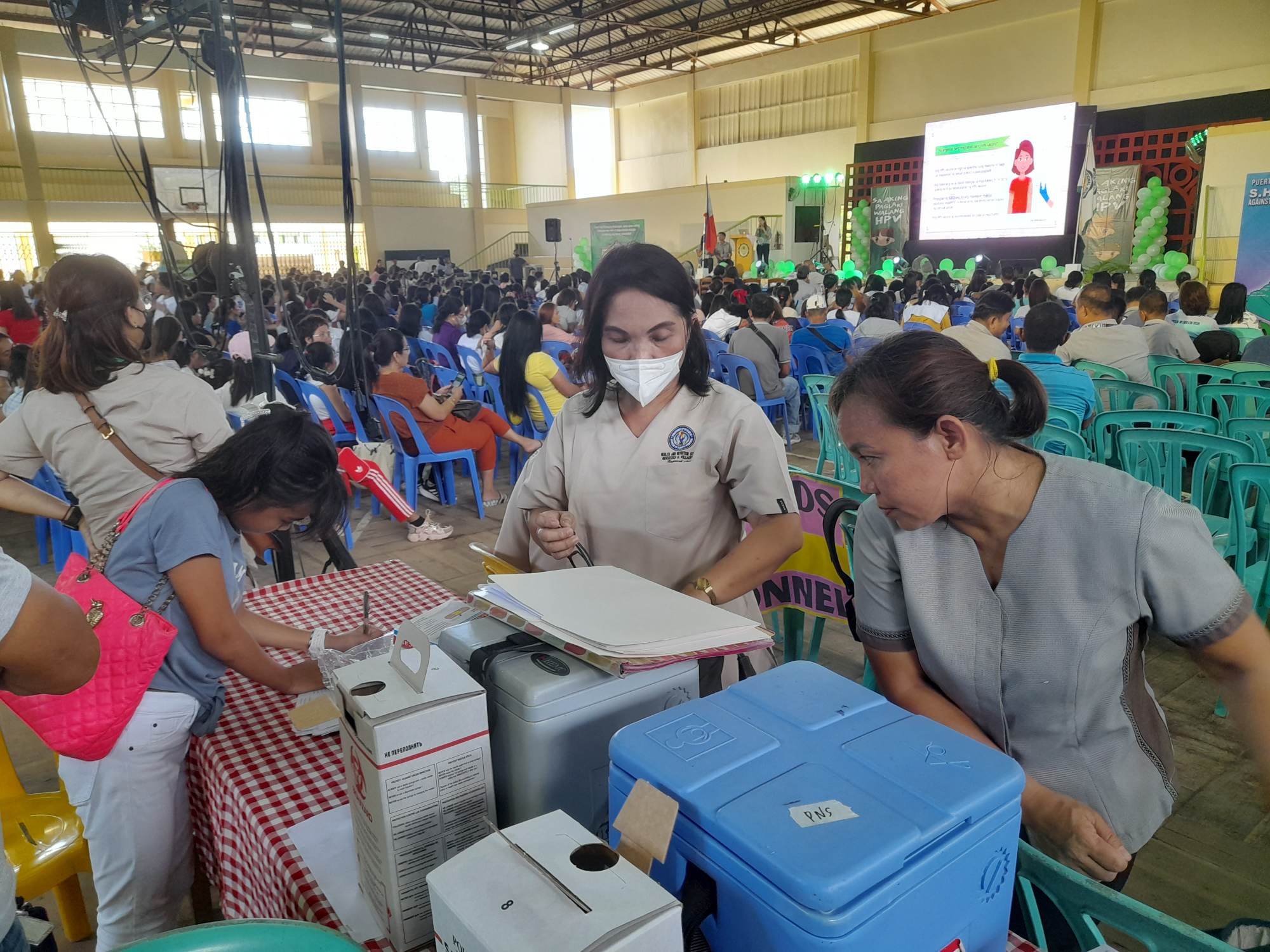 School-Based Immunization Program Commences in Puerto Princesa
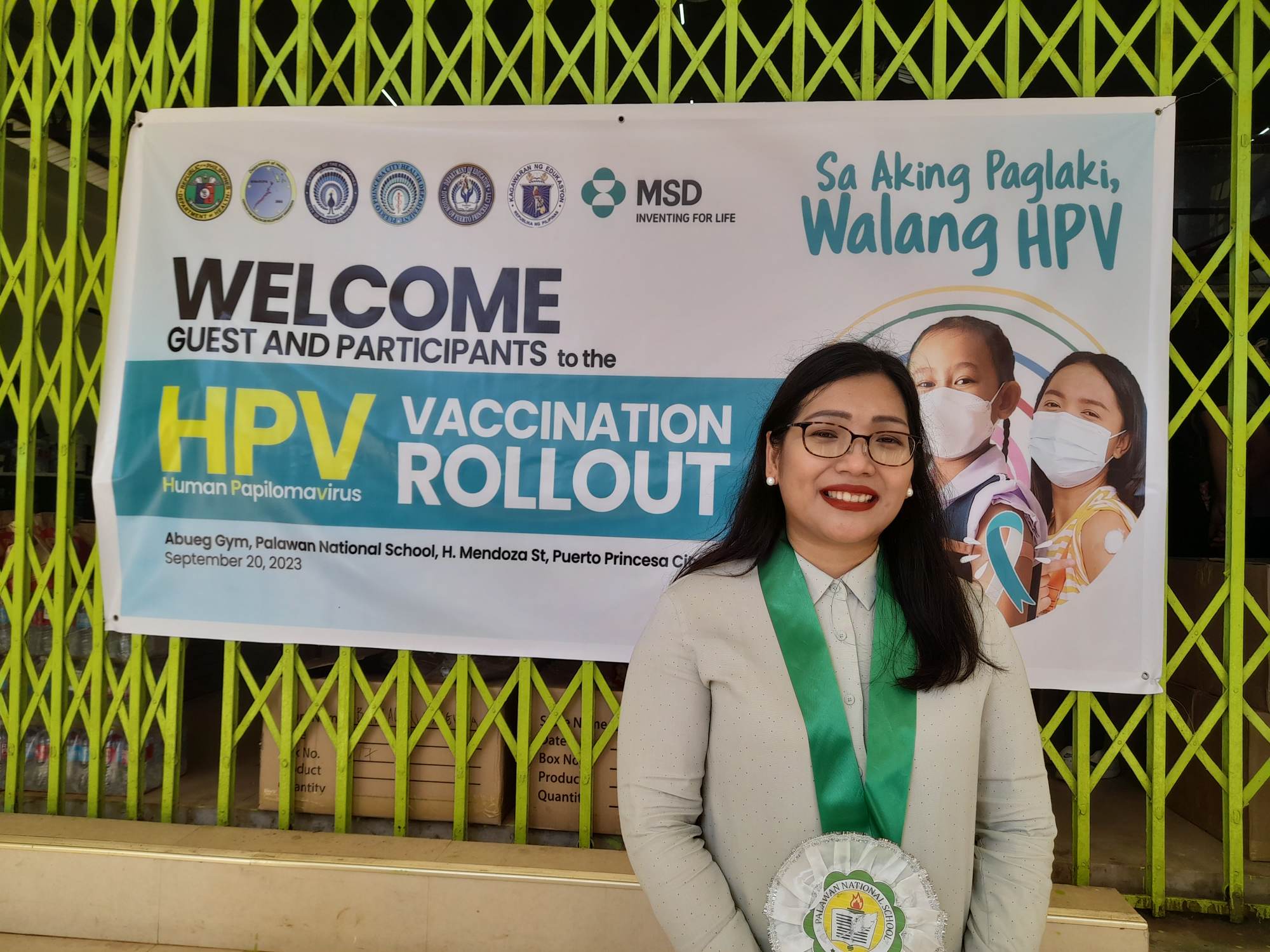
In a concerted effort to safeguard young girls from HPV and cervical cancer, the Department of Health (DOH), the Department of Education (DepEd), and the Local Government of Puerto Princesa City, in collaboration with healthcare company MSD in the Philippines, have organized a large-scale school-based vaccination event at Palawan National School in Puerto Princesa City on September 20, 2023, aptly named “Sa Aking Paglaki, Walang HPV.”
Puerto Princesa’s initiative to introduce HPV vaccination in schools marks a significant step toward strengthening the community’s defenses against vaccine-preventable diseases. This aligns with the DOH’s commitment to promote “Kalasag ng Kalusugan” (Health Shield) by making healthcare services and vaccines accessible to all communities.
During this school-based immunization event, 3,000 female learners from eight public elementary schools in Puerto Princesa will receive the HPV vaccine.
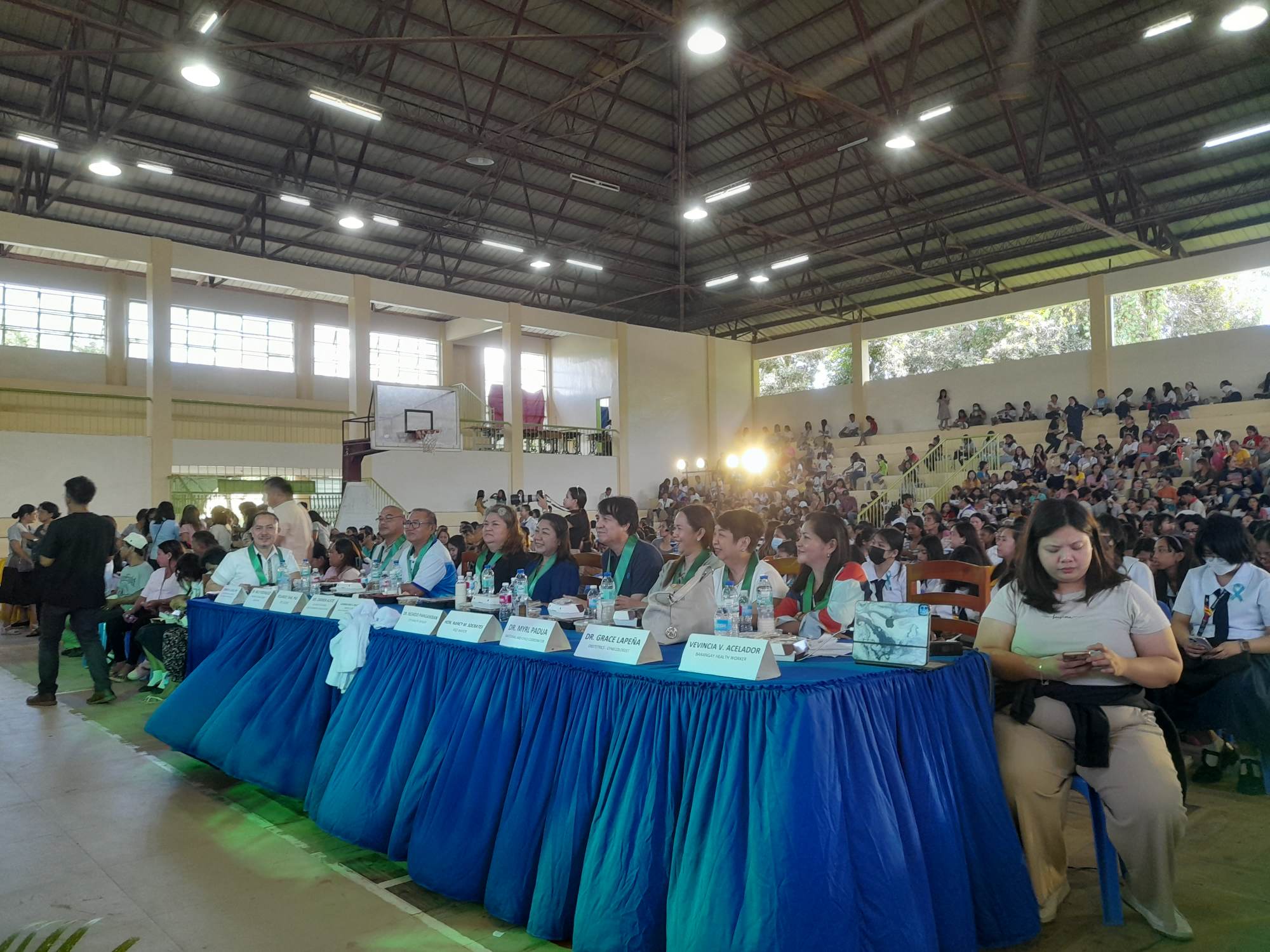
The event highlights an educational forum where medical experts encourage parents and students to view HPV as a preventable health concern rather than a stigma associated with sexual activity. They advocate for collective action to protect every Filipino woman from the burden of cervical cancer.
The HPV vaccine is administered in two doses for adolescents aged 9 to 14 and three doses for young adults aged 15 to 26. Immunogenicity studies have shown that two doses provided better protection for the younger age group. Early vaccination before HPV exposure is also more effective.
Under the DOH’s School-Based Immunization Program, grade 4 students are eligible to receive the two HPV vaccine doses, six months apart, to safeguard against cervical cancer.
The Department of Education Office has instructed all schools conducting face-to-face classes to resume the delivery of school-based health services, including immunization. Health services will be preferably administered to students attending in-person classes, and arrangements can be made for those in the home-based learning modality.
The Department of Health (DOH) is actively working to expand the reach of HPV vaccination across the country. In the upcoming year, 2023, the DOH has secured a supply of 1 million HPV vaccine doses, intended to provide protection to approximately 500,000 girls aged 9 to 14. This coverage represents approximately 38% of the targeted school-aged children nationwide.
In the ongoing budget discussions, the DOH is making an appeal to Congress for increased funding for the HPV immunization program, recognizing the critical importance of extending vaccine accessibility to more young girls.
However, it’s worth noting that the National Expenditure Program proposes a reduction in budget allocations for the 2024 HPV immunization program. The allocation has been reduced from 1 million doses in 2023 to 750,000 doses for the coming year. This reduction is anticipated to impact the coverage, with an estimated 375,000 school children expected to be reached next year.
 Toward a Cervical Cancer-Free Future
The goal of eliminating cervical cancer is to achieve an incidence rate low enough for the disease to be considered controlled as a public health issue, with fewer than 4 cases per 100,000 women annually, according to the World Health Organization.
To realize this vision, every country must meet and sustain three key targets within the current generation’s lifetime. First, 90 percent of girls should be fully vaccinated against HPV by age 15. Second, 70 percent of women should undergo high-performance screening tests at ages 35 and 45. Lastly, 90 percent of women with pre-cancerous conditions should receive treatment, and 90 percent of women with invasive cancer should receive appropriate care.
Achieving these goals necessitates a multi-sectoral approach, with individuals, families, communities, civil society, and government agencies all playing a role in raising awareness, education, and social support.
At this pivotal moment, it is imperative to empower women and enlist the support of communities, leaders, and governments to save countless lives. If widespread, high coverage of these interventions can be achieved by 2030 and sustained, cervical cancer could be eliminated in most countries by 2120, sparing over 63 million women from needless suffering and death.
Expanding vaccine doses is not merely a health initiative; it is an investment in the future well-being of our nation. The prevention of cervical cancer not only spares individuals from physical and emotional suffering but also alleviates the societal and economic burdens associated with this disease.
Together, let us commit to ending cervical cancer for women worldwide.